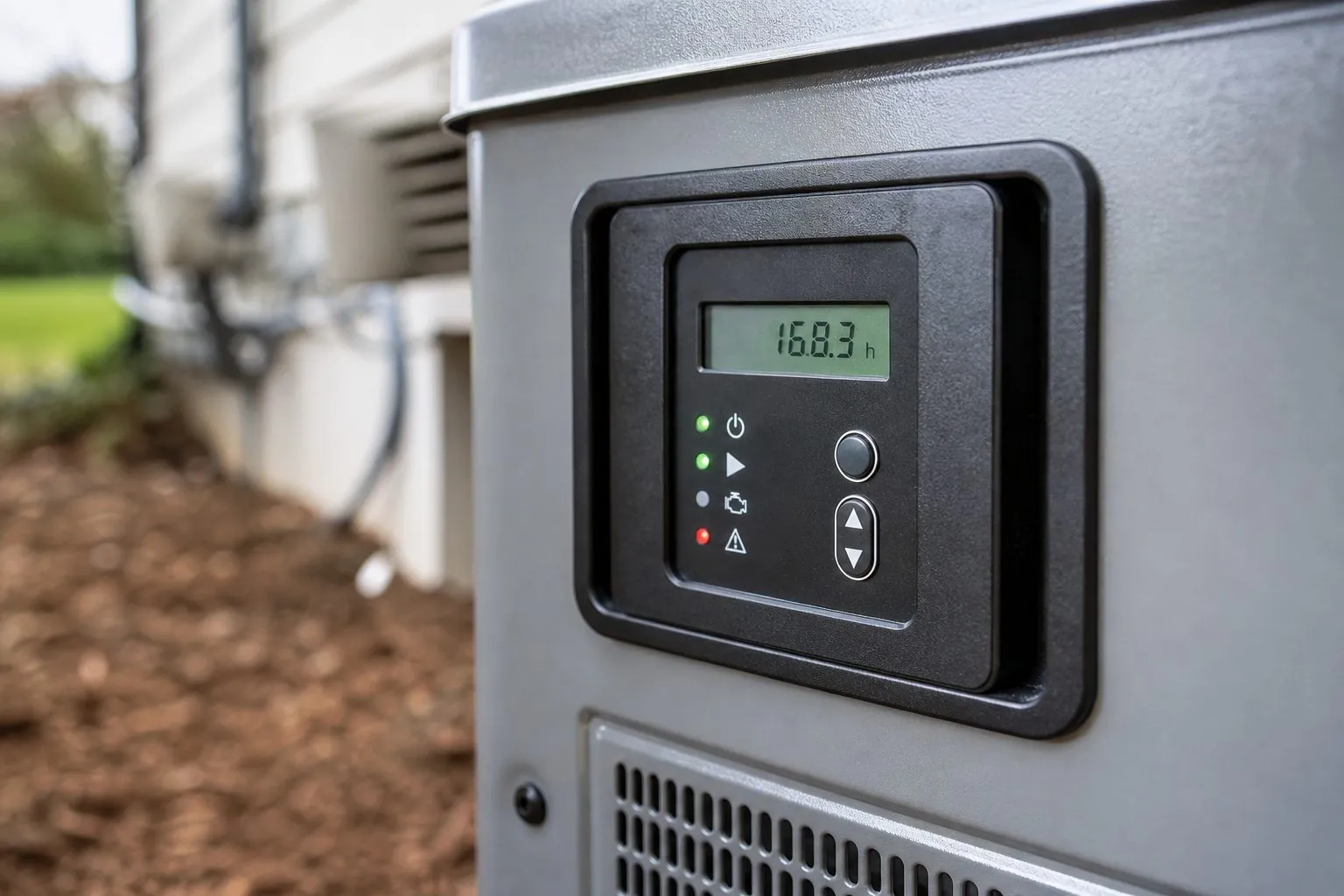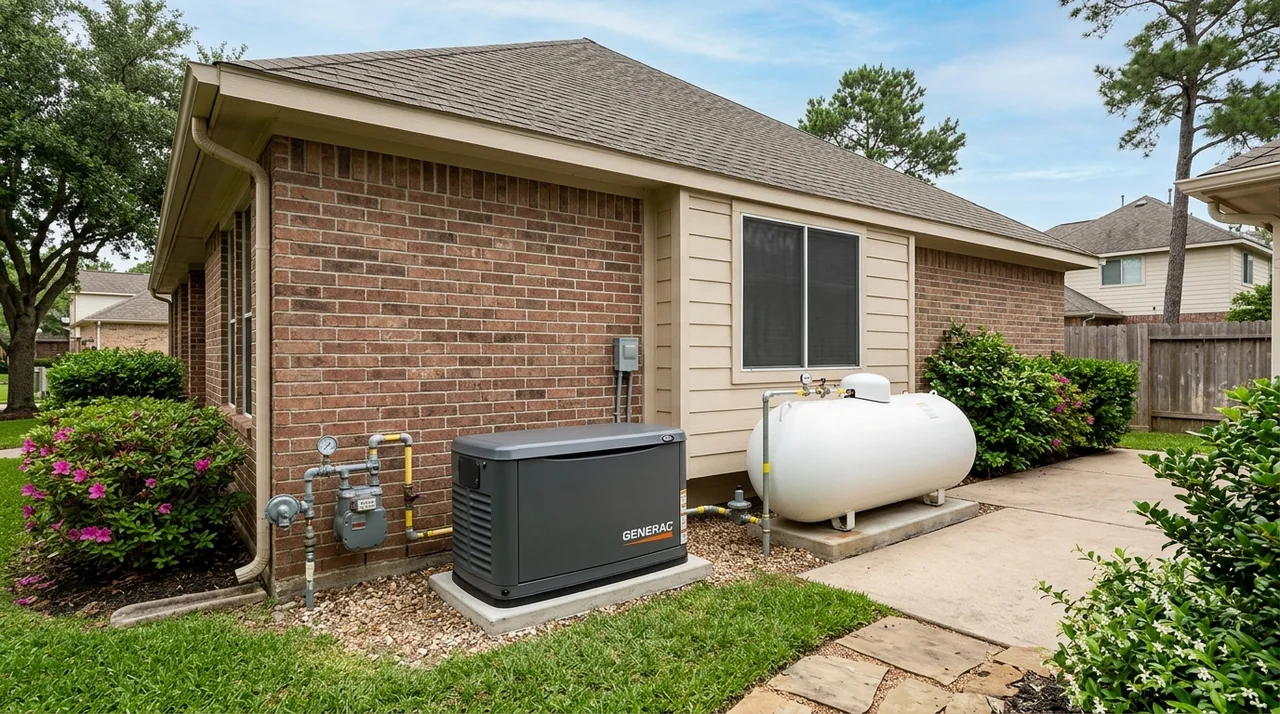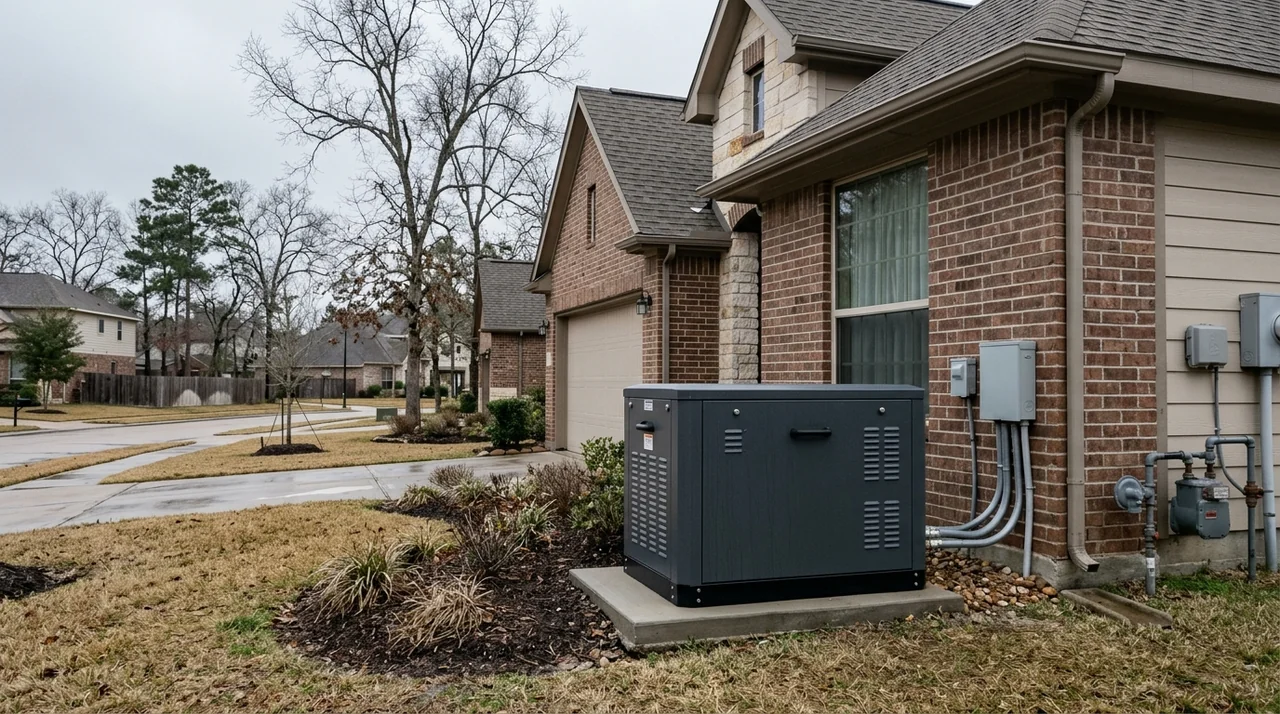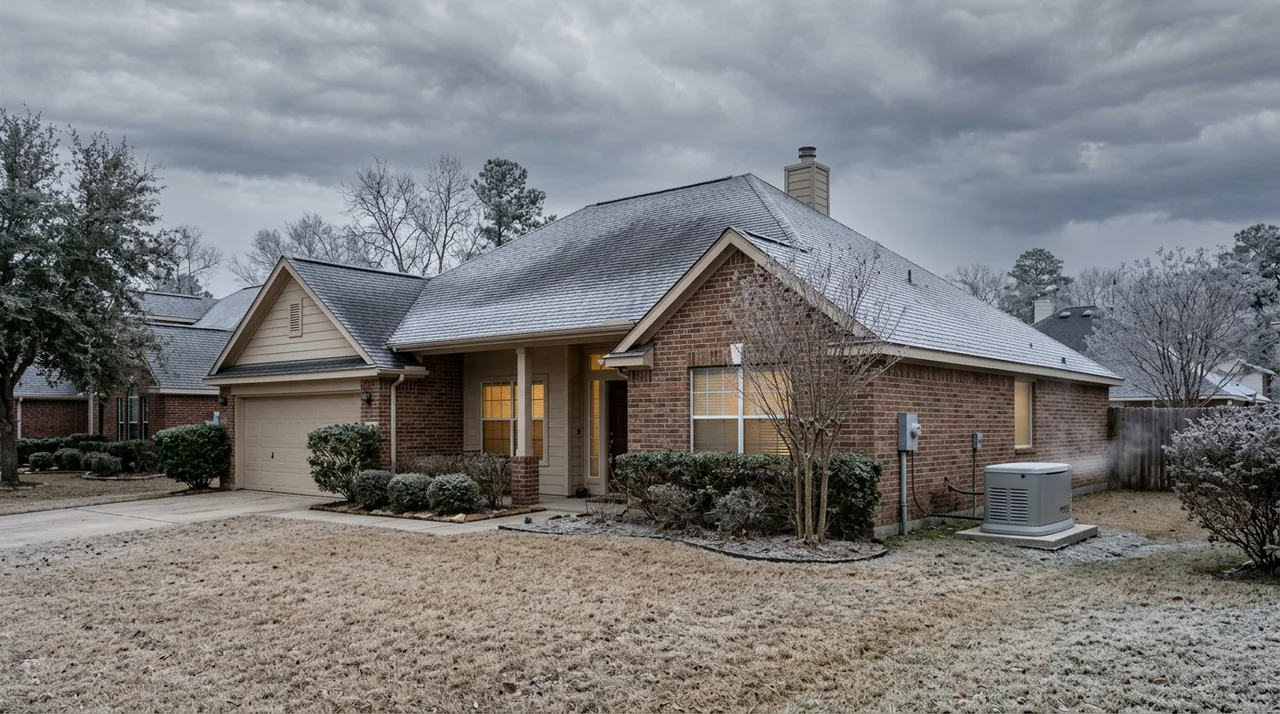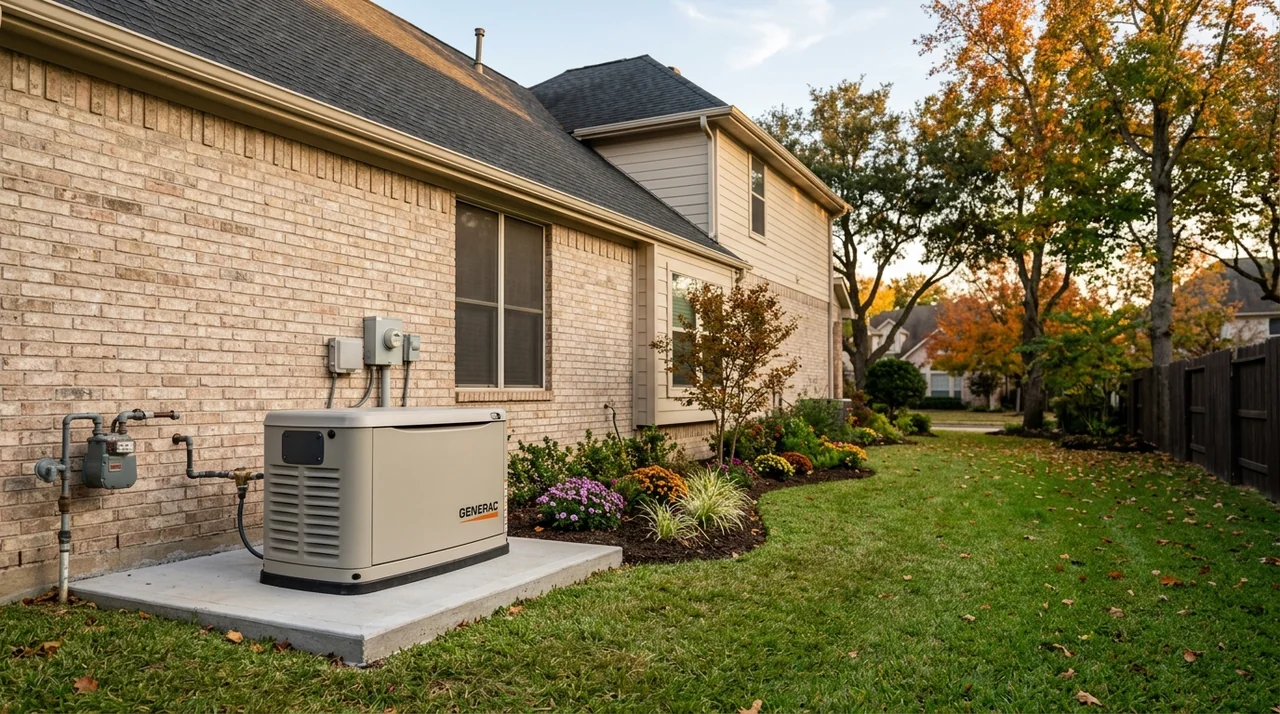
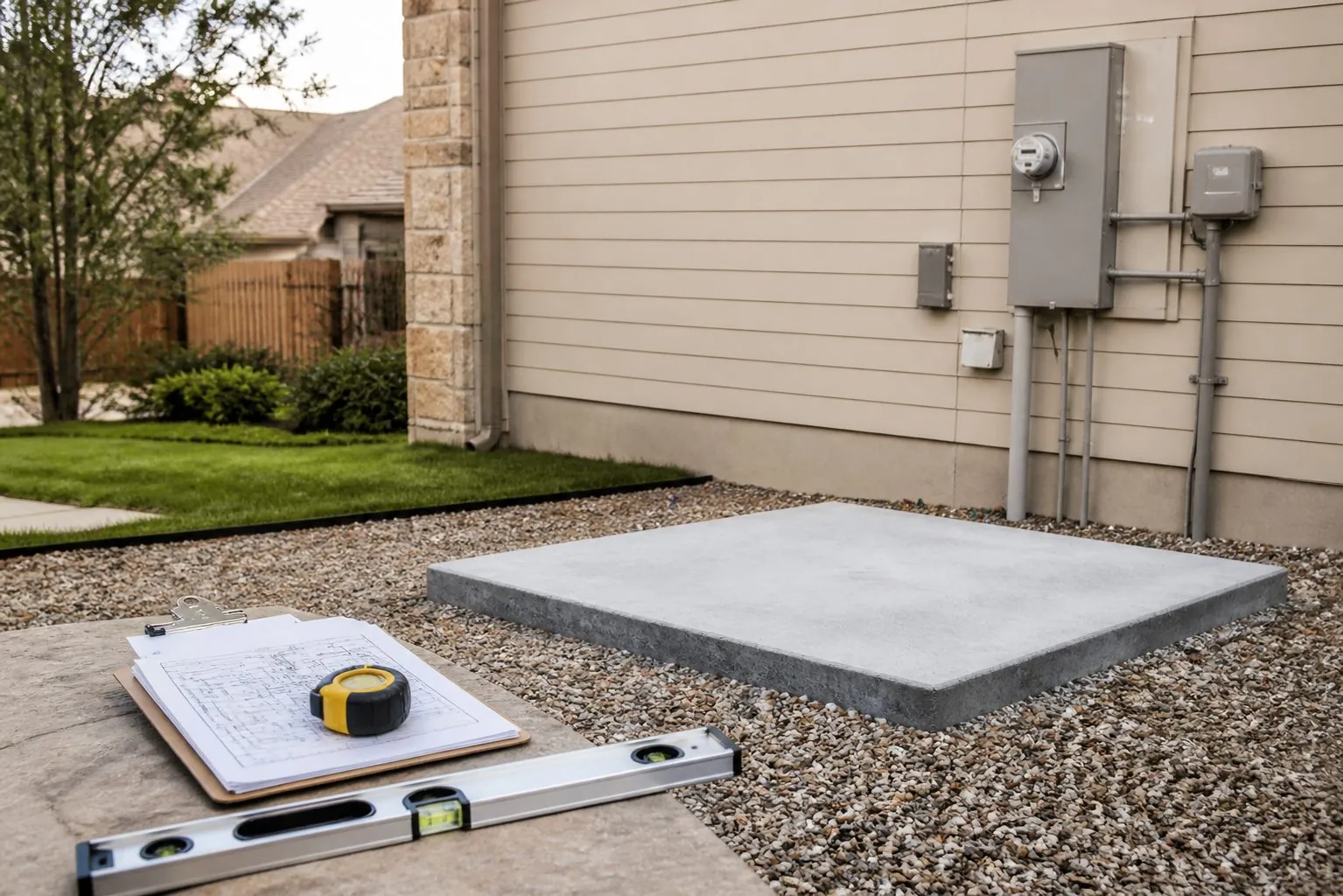
A whole-house generator installation is a multi-step process that starts before the equipment arrives and ends only after the system has been connected, tested, and placed into automatic operation. The typical process includes a site evaluation, generator sizing, placement planning, required permits or approvals, site preparation, fuel and electrical connections, automatic transfer switch installation, startup, and a functional test.
Generac describes the same basic sequence in its current installation guidance: consultation, site selection, site preparation, fuel connection, transfer-switch installation, and a simulated outage before the project is considered complete.
For homeowners, the most useful thing to understand is that “installation day” and the “full installation process” are not always the same thing. The physical work may happen relatively quickly, while permits, fuel-system planning, utility coordination, site preparation, or inspections can extend the overall project timeline.
What Happens at the Initial Generator Site Visit?
The first site visit is used to determine what the home needs and whether the property can support the proposed generator installation.
This is where the installer begins answering several important questions:
- How much backup power does the homeowner want?
- Which electrical loads should the generator support?
- Where could the generator safely and practically be installed?
- Is natural gas or propane available?
- Is the existing fuel system adequate for the proposed generator?
- Where are the electrical service and utility equipment?
- Are there property, HOA, drainage, or access concerns?
Generac says an in-home consultation typically covers generator placement, installation requirements, fuel source, system needs, and property restr
How Is the Generator Size Chosen?
Generator size should be based on the electrical loads the system needs to support, not simply the square footage of the house.
Large loads such as air-conditioning equipment, pumps, electric appliances, and other motor-driven equipment can affect the required capacity. Load-management equipment may also influence the system design. Generac specifically identifies motorized appliances, AC units, and load-management devices as sizing considerations.
Rather than repeating the full sizing process here, homeowners can review Action Generator’s guide to choosing the right generator size.
How Is the Generator Location Chosen?
The best generator location is not simply the closest open space beside the house.
A suitable location has to balance:
- manufacturer requirements
- safe clearance from openings and structures
- drainage and stable ground
- fuel-line routing
- electrical conduit routing
- service access
- environmental exposure
- local requirements
- homeowner/property restrictions
Generac recommends a stable, well-drained site with adequate maintenance access and notes that proximity to the fuel source and electrical service can also affect installation complexity and cost.
This is also why universal placement rules should be used cautiously. The exact requirements depend on the generator, current installation documentation, and the jurisdiction involved.
What Happens Before Installation Day?
A significant part of a generator installation may happen before anyone sets the generator on its pad.
Depending on the property and jurisdiction, the preparation stage can include:
- final generator and transfer-switch selection
- permit applications
- HOA approval where applicable
- utility coordination
- gas-meter or propane-system review
- electrical planning
- site-base preparation
- inspection scheduling
- ordering equipment and materials
Generac notes that required permits must be secured before installation and that rules vary substantially by locality.
Action Generator’s website states that the company handles necessary permitting as part of its installation process.
Could the Gas Meter or Fuel System Need Changes?
Yes. Some homes may need fuel-system changes before the generator can operate correctly.
A whole-house standby generator can create a significant additional fuel demand. Generac says the natural-gas meter or propane supply must be appropriately sized for the selected generator and the property’s overall fuel requirements.
That does not mean every project requires a gas-meter upgrade or propane change.
The existing system has to be evaluated first.
Homeowners who want more detail about potential infrastructure expenses can also review Action Generator’s discussion of what can affect whole-house generator installation costs.
How Is the Generator Site Prepared?
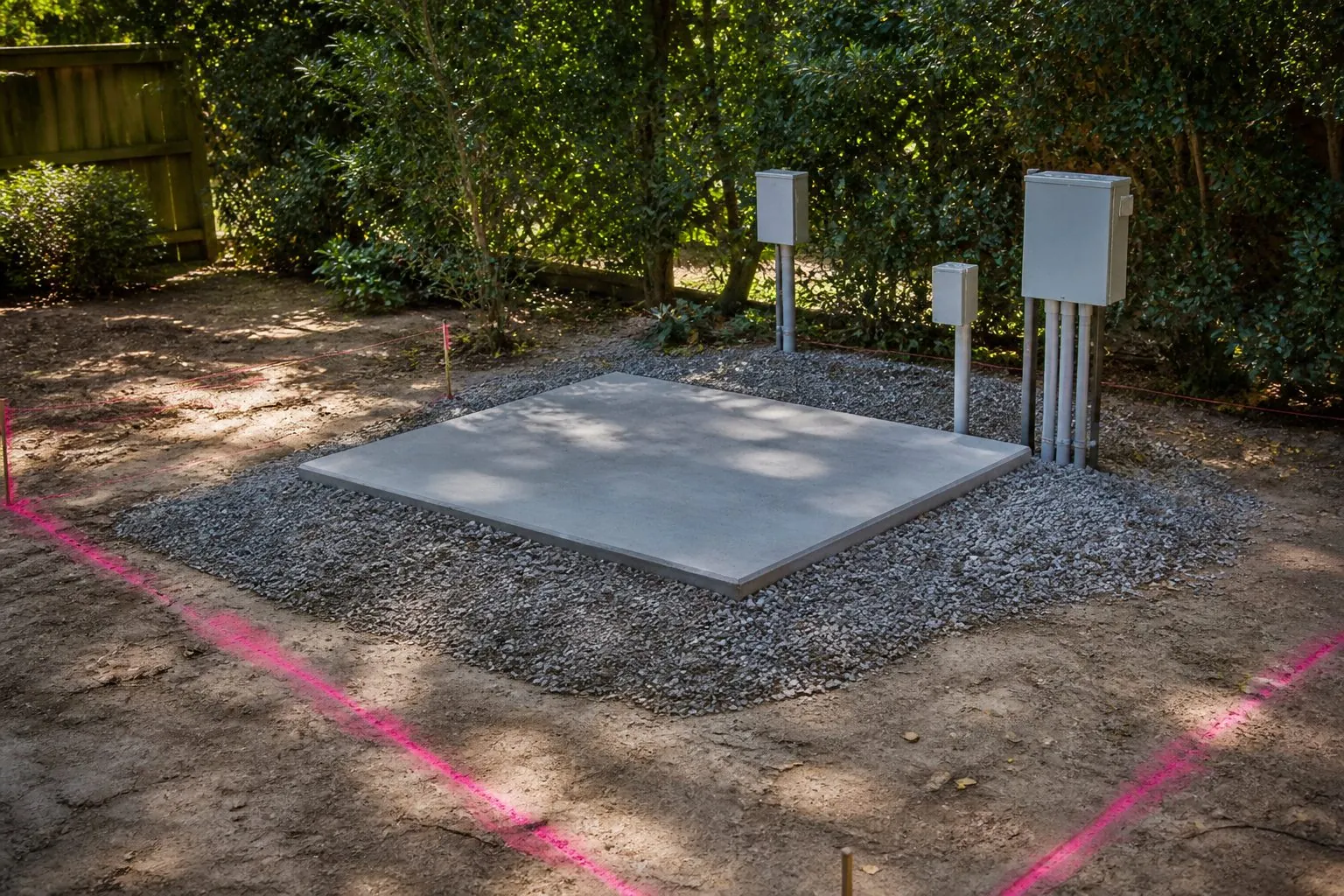
The generator needs a stable, level base that supports the equipment and meets applicable installation requirements.
Depending on the generator and local rules, Generac says approved installations can use compacted pea gravel or crushed stone, an approved composite pad, or a concrete base where required.
The purpose is not simply to make the generator look neat.
A properly prepared site helps provide:
- stable support
- correct leveling
- adequate drainage
- access for maintenance
- proper equipment placement
The site also needs to account for piping, conduit, and service access.
Homeowners should not assume every generator installation requires an identical concrete slab. The correct base depends on the equipment and local requirements.
What Happens During the Electrical Installation?
Once the site and equipment are ready, the generator becomes part of the home’s electrical system.
At a high level, this stage may include:
- setting and securing the generator
- installing electrical conduit and conductors
- installing the automatic transfer switch
- integrating the standby system with the home’s electrical service
- connecting generator controls
- configuring load-management equipment when part of the design
This is not appropriate DIY electrical work.
Generac specifically warns that service-entrance transfer-switch work involves dangerous utility connections and should be performed by qualified professionals.
What Does the Automatic Transfer Switch Do?
The automatic transfer switch, or ATS, is the component that allows the home to change from utility power to generator power automatically.
Under normal conditions, the home receives utility power.
When a qualifying outage occurs, the standby generator starts. Once the system is ready, the transfer switch moves the electrical load from the utility source to the generator. When utility service returns, the system transfers the home back and the generator eventually shuts down according to its programmed sequence. Generac describes AUTO mode as the operating mode that responds to outages and signals the transfer switch to return to utility power when service is restored.
That transfer equipment is one reason whole-house generator installation involves much more than simply placing an engine outside.
What Happens During the Fuel Connection?
The generator also needs a properly designed fuel supply before it can operate correctly.
Generac home standby generators commonly use natural gas or propane, depending on the model and installation.
The fuel portion of the project may involve:
- connecting the generator to the approved fuel source
- ensuring piping is appropriately sized
- verifying pressure
- checking regulators
- leak testing
- confirming code-compliant routing
Generac states that gas piping must comply with the applicable fuel-gas standards and that a qualified contractor familiar with local requirements should make fuel-line connections.
Detailed gas sizing, regulator selection, or piping instructions do not belong in a homeowner DIY guide. Those calculations depend on the generator, available fuel pressure, piping configuration, other appliances, and applicable codes.
Will the Power Need to Be Shut Off During Installation?
Usually, electrical work involving the home’s service or transfer equipment requires some controlled interruption of utility power, but the exact timing and duration depend on the installation.
The transfer switch must be integrated with the home’s electrical system, and some configurations involve service-entrance equipment.
Generac documentation emphasizes that these connections involve hazardous utility voltage and require qualified personnel.
Homeowners should ask their installer in advance:
- when power will be disconnected
- approximately how long the planned interruption is expected to last
- whether the utility must be involved
- whether any special preparation is needed
The answer will vary by property and installation design.
What Happens Before the Generator Is Turned Over to the Homeowner?
A professionally installed standby generator should not simply be connected and left untested.
The final phase generally includes:
- checking electrical and fuel connections
- programming the controller
- configuring the generator for automatic operation
- verifying system settings
- conducting a functional test
- checking transfer from utility to generator
- verifying return to utility power
- setting or confirming the exercise schedule
- explaining normal homeowner operation
Generac’s current installation guidance says the dealer should simulate an outage before installation is complete to confirm the standby system runs p
Is the Generator Tested Before the Installer Leaves?
Yes, functional testing should be part of final commissioning.
Generac’s transfer-switch guidance says the completed installation should be inspected and a functional system test performed after installation and interconnection.
That matters because a generator can start successfully yet still have a transfer or configuration issue.
A simulated outage allows the installer to verify the complete chain:
utility loss → generator startup → transfer to generator power → utility restoration → transfer back
That is a much more meaningful test than simply confirming that the engine starts.
How Long Does a Whole-House Generator Installation Take?
The physical installation may take hours or one or more workdays, but the full process can take considerably longer.
Generac says the physical installation itself usually takes hours, while preparation can take multiple weeks because timing may depend on:
- dealer availability
- site preparation
- gas-line preparation
- permitting
- other project-specific requirements
Action Generator’s main website currently says its installation process typically takes 1–2 days, but that wording appears to refer primarily to the installation work itself rather than every pre-installation step.
For the published article, it is safer to explain that project duration varies rather than promise a universal completion time.
What Can Delay a Generator Installation?
Several things can affect the schedule before startup.
Common variables include:
- permit processing
- HOA approvals
- utility scheduling
- gas-meter work
- propane-system preparation
- trenching or difficult site conditions
- inspection availability
- weather
- generator or component availability
These are also part of why two installations at similarly sized homes can follow different timelines.
The generator itself may be the same, while the property infrastructure is completely different.
What Should You Ask Before Generator Installation Begins?
A good installation conversation should leave the homeowner clear on the project before equipment arrives.
Useful questions include:
- Which loads is this generator designed to support?
- Why was this generator size selected?
- Where will the generator be installed, and why?
- Does my natural-gas or propane system need changes?
- Who is responsible for permits and inspections?
- Does the utility need to be involved?
- Will any landscaping, driveway, or concrete be disturbed?
- Will my power be temporarily disconnected?
- How will the completed system be tested?
- What maintenance schedule applies after installation?
The purpose is not to make the homeowner an installer. It is to make sure they understand the system they are buying and what the project will involve.
Whole-House Generator Installation in Conroe and Greater Houston
Action Generator operates from Conroe and installs Generac automatic standby generators throughout the Greater Houston area. The company lists communities including Conroe, The Woodlands, Spring, Willis, Montgomery, Magnolia, Humble, Kingwood, Tomball, Cypress, and surrounding areas.
Homeowners specifically researching generator installation in Conroe can review the company’s local installation page for more information about the service. Action Generator also provides broader Generac generator sales and installation throughout its listed service area.
Planning a whole-house generator installation in Conroe or Greater Houston? Call Action Generator at 936-271-1331 or request a generator quot to discuss your home, backup-power needs, and installation options.
Frequently Asked Questions
What happens first during a whole-house generator installation?
The process normally begins with a site evaluation. The installer reviews the home’s electrical needs, potential generator locations, fuel source, utility equipment, and property restrictions before finalizing the system design. Generac identifies these items as part of its standard consultation process.
Does a whole-house generator require a permit?
Many installations require permits, but exact requirements vary by jurisdiction. Generac says all required permits must be secured before installation begins. HOA requirements may also apply independently of municipal permits.
Does every house need a gas-meter upgrade for a generator?
No. The existing natural-gas system first needs to be evaluated to determine whether it can support the generator along with the home’s other gas appliances. Some properties may require changes while others may not.
What does the transfer switch do?
The automatic transfer switch changes the home’s electrical source from utility power to generator power during an outage and back to utility power when service returns. It is one of the central components of an automatic standby-generator system.
Is the generator tested after installation?
Yes. The completed system should be functionally tested. Generac’s current installation guidance says the dealer should simulate an outage to confirm that the standby system operates correctly before installation is considered complete.
How long does the whole generator installation process take?
The physical installation can be much shorter than the entire project. Permits, site preparation, gas work, utility coordination, inspections, and scheduling can add time before or after installation day. Generac says physical installation usually takes hours while preparation can take multiple weeks.