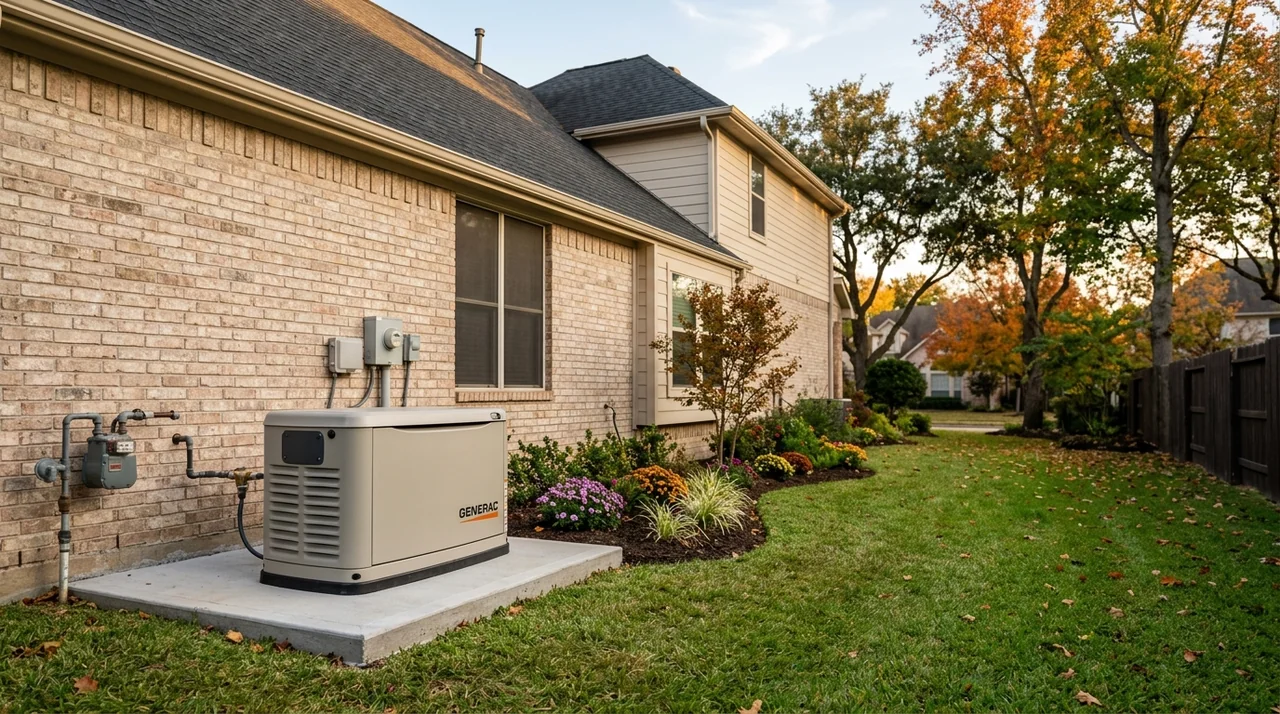

Choosing the right-sized generator for your Texas home is crucial for reliable power during outages caused by storms, power grid issues, or other emergencies. Whether you’re dealing with severe weather or unexpected utility failures, selecting the right generator installation in Spring TX, ensures you maintain comfort, safety, and essential functions. This guide will walk you through the key factors to consider when choosing the perfect standby generator for your Texas home.
Factors to Consider When Determining Generator Size
When selecting a whole home standby generator, several key factors must be considered to ensure that you’re prepared for any outage:
1. Home Size and Electrical Load
The square footage of your home plays a significant role in determining the size of the generator needed to power essential appliances and systems. Larger homes with more electrical devices (like heating and cooling systems, refrigerators, and electronics) will require a higher-capacity generator. Consider your home’s total electrical load to ensure the generator will meet your power needs during an outage.
2. Power Requirements
You’ll need to determine the electrical demand of all the appliances and systems you want to keep running during an outage. Key systems include air conditioning, heating, refrigerators, lighting, and home electronics. Use a wattage calculator or consult a professional to estimate the total wattage required, ensuring your generator has sufficient capacity to handle these needs.
3. Fuel Type
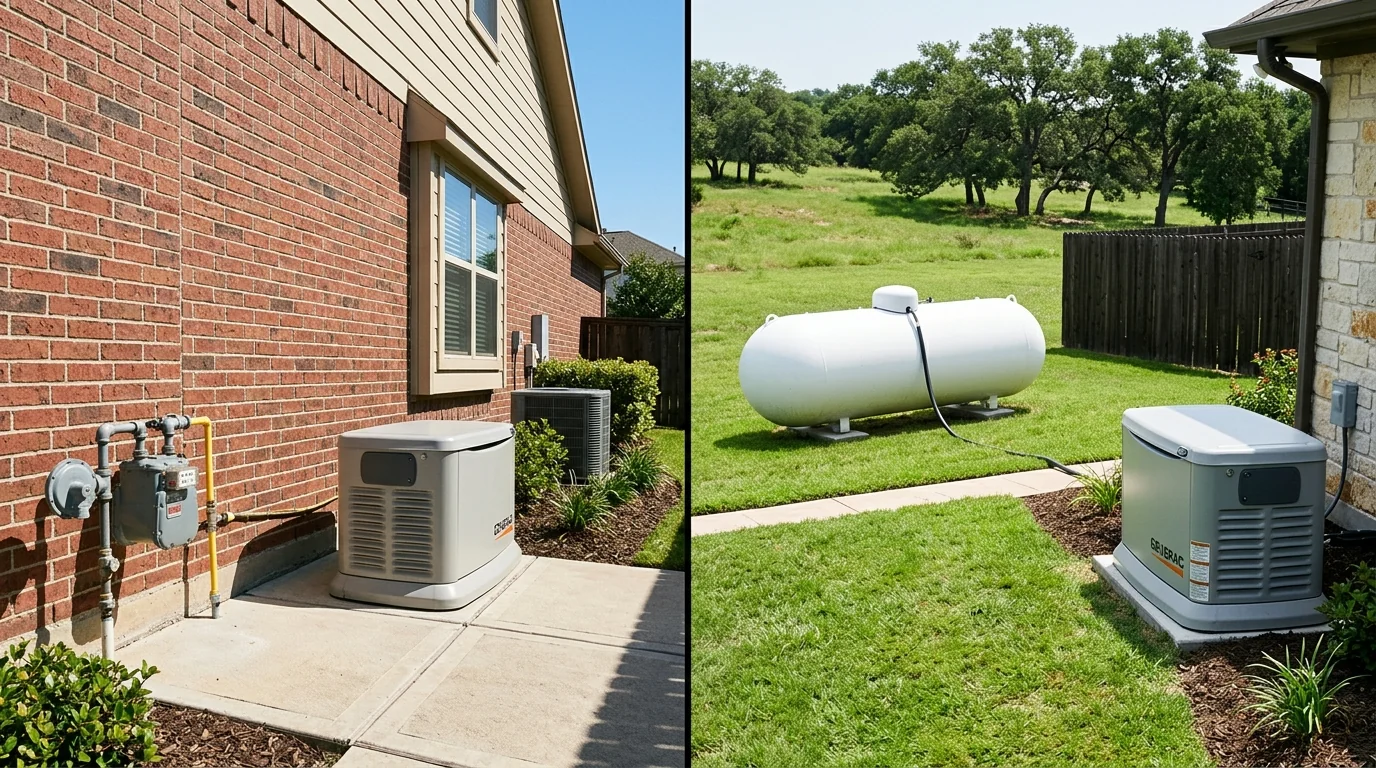
Deciding whether you want a natural gas-powered or propane-powered generator is essential. Consider the availability, cost, and convenience of each fuel type in your area. For example, natural gas tends to be more cost-effective and requires less storage space, but propane might offer more flexibility in rural areas or for larger generators.
4. Budget
Establish a budget for your generator purchase, including installation costs. While investing in a higher-quality, appropriately sized generator may cost more upfront, it can offer greater reliability and long-term value. Consider the potential savings from avoiding power loss during extended outages, which could affect your home’s safety and comfort.
Overview of Different Generac Whole Home Standby Generator Models and Their Specifications
Generac offers a range of whole-home standby generators with varying power capacities to meet the needs of different homes. Here’s a closer look at some popular models:
Generac Guardian Series
The Guardian Series is ideal for homes with smaller to medium power needs. With capacities ranging from 9kW to 24kW, this series can provide backup power for essential circuits or full house coverage. The units are designed for reliability and ease of use, providing peace of mind during blackouts.
Generac Protector Series
For larger homes or businesses, the Protector Series offers capacities up to 150kW. These generators are equipped with advanced technology that enhances performance and efficiency, ensuring your home or business stays powered during long-term outages. This series is perfect for those with more significant power needs.
Generac Synergy Series
The Synergy Series uses variable-speed technology for ultra-quiet operation and fuel efficiency. This makes it ideal for residential applications, where noise levels are a concern. The Synergy Series offers a balance between high performance and low operational noise, making it an excellent choice for homeowners who prioritize both power and peace.
How to Calculate Power Requirements for Your Home
Understanding how to calculate your home’s power requirements is essential in selecting the right-sized generator. Here’s how to do it:
Step 1: Make a List of Essential Appliances
Start by listing all appliances and systems you want to power during an outage, such as HVAC units, refrigerators, lights, computers, etc. For each item, look for the wattage listed on the label or in the manual.
Step 2: Calculate Total Wattage
Once you have the wattage for each appliance, sum them up to get your total wattage requirement. You can use an online wattage calculator or consult with a professional to help you estimate your total electrical load.
Step 3: Add a Safety Margin
It’s a good idea to add 20-30% to your total wattage estimate. This ensures that your generator can handle surges in power demand, like when motors or air conditioners kick on.
Generator Maintenance: Keeping Your Investment Running Smoothly
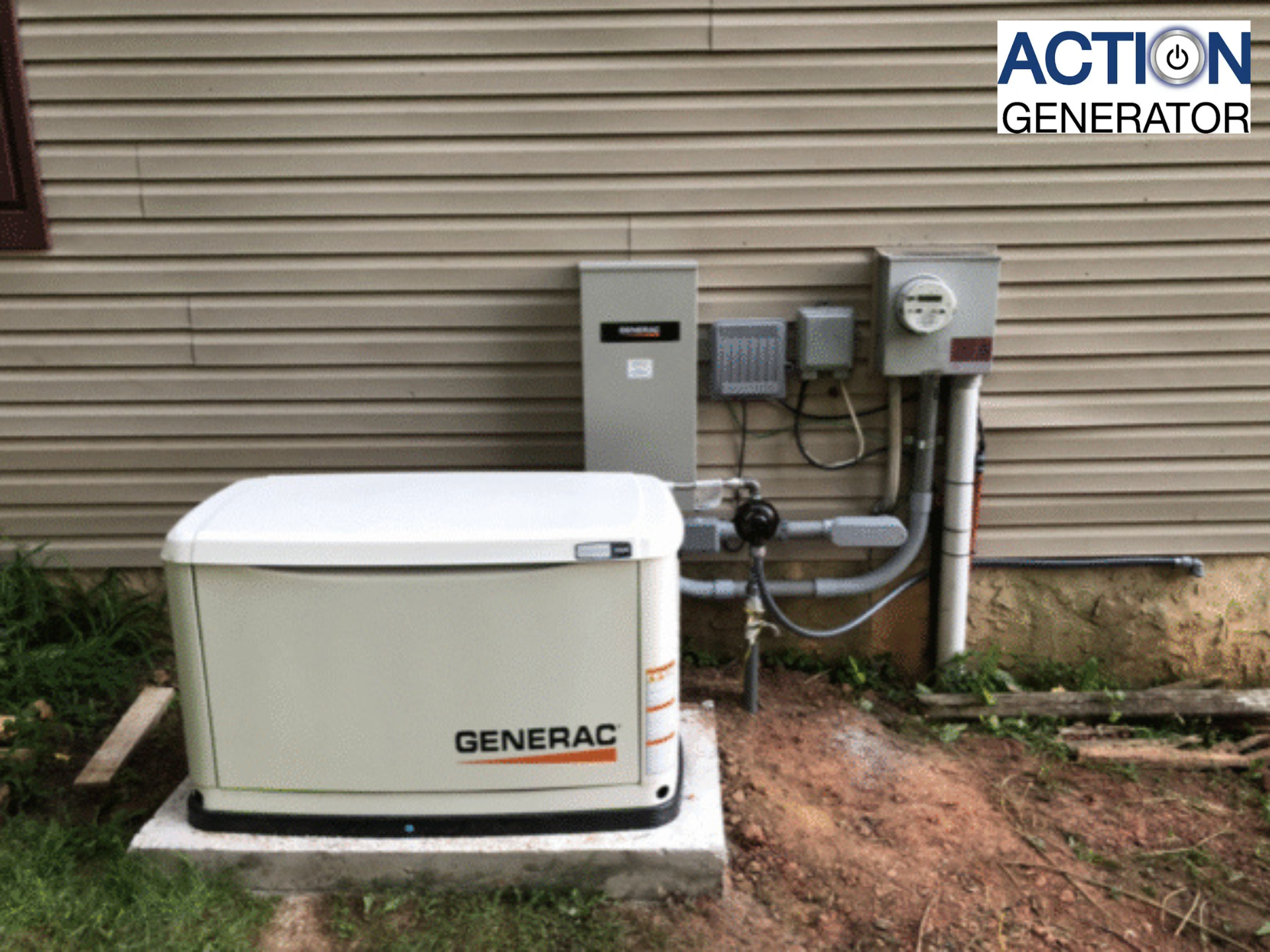
A standby generator installation Spring TX, is a significant investment in your home’s safety and comfort, so it’s crucial to maintain it properly to ensure it performs when you need it most.
Maintenance Tips
- Change the oil regularly according to the manufacturer’s guidelines.
- Inspect the fuel system and ensure there are no leaks.
- Test the battery and replace it if necessary.
- Schedule professional maintenance at least once a year to ensure all components are functioning correctly.
Pre-Storm Season Check
Before hurricane or storm season, it’s essential to run your generator and ensure it’s ready to go. A professional inspection will give you the peace of mind that your system is functioning optimally.
Generator Sizing Tool: Find Your Ideal Generator
To make the process easier, we’ve created an interactive generator sizing tool that allows you to input details such as home size, number of appliances, and preferred generator features. This tool will estimate the generator capacity you need to ensure your home stays powered during an outage.
Texas-Specific Considerations: Why You Need a Whole Home Standby Generator
Texas residents face unique power challenges due to frequent weather-related outages, such as hurricanes, ice storms, and grid instability. In 2021, millions of Texans experienced extended power outages due to a severe winter storm. This is why having a whole home standby generator is crucial for maintaining comfort and safety during unexpected events.
Power Outage Statistics for Texas
- Weather-related outages account for the majority of power interruptions in Texas, with some outages lasting days or even weeks.
- Texas electricity grid issues, such as those experienced during the 2021 winter storm, highlight the importance of having backup power.
Installation Considerations: Placement and Setup
When installing your generator, there are several factors to consider:
- Generator Placement: Ensure that your generator is placed in a well-ventilated area, away from windows, doors, and other openings.
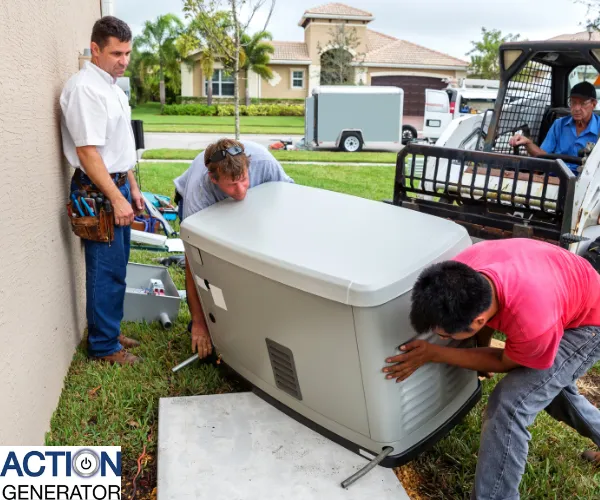
- Professional Installation: Always hire a certified professional for installation to ensure that the system is safely and correctly connected to your home’s electrical system.
- Permits: Some areas in Texas require permits for generator installation. Make sure to check local regulations and get the necessary approvals.
Financing and Incentives for Standby Generators
While whole home standby generators are an investment, there are options available to make purchasing one easier:
Financing Options
Many homeowners finance their generator purchases through loans or payment plans. Some banks or home improvement lenders offer special rates for home upgrades like standby generators.
State and Federal Incentives
Homeowners may be eligible for rebates or tax credits for purchasing and installing an energy-efficient backup generator. Check local programs for possible savings, including specific incentives for Texas residents.
Comparing Backup Power Solutions: Standby vs. Portable Generators
While portable generators are often cheaper, whole home standby generators offer superior benefits for long-term power security:
Standby Generator Advantages
- Automatic operation when the power goes out.
- Larger power capacity to keep entire homes running.
- Quiet operation and minimal maintenance.
Portable Generator Limitations
- Require manual operation and refueling.
- Typically offer less power, unable to run major appliances simultaneously.
- No automatic switch-over, requiring more effort during an outage.
Customer Stories and Case Studies
Texas Homeowner Experience:
“Last year, we helped a homeowner in Katy, TX, whose home had lost power during a storm for several days. They had trouble keeping their HVAC system and fridge running, which caused discomfort and potential food spoilage. After a consultation, we helped them choose a Generac Guardian Series generator that now powers their essential systems without issue during outages. They haven’t had a problem since.”
Take Control of Your Power Needs Today
Selecting the right generator for your Texas home is more than just a convenience; it’s a necessity. By considering key factors such as home size, power requirements, fuel type, and budget, you can ensure that your whole-home standby generator will provide the reliable backup power you need when it matters most. Don’t wait for the next outage; take proactive steps to protect your home today.
Call to Action:
Ready to find the perfect standby generator for your home? Contact us for a personalized consultation! Our experts will help you choose the right model based on your home’s size and power needs. Don’t wait until the next storm hits, ensure your home is prepared.