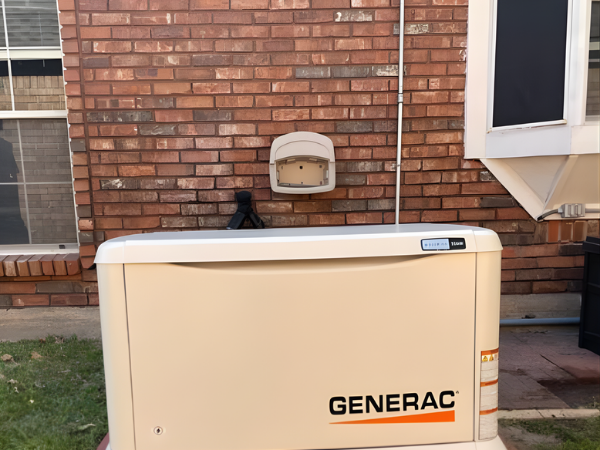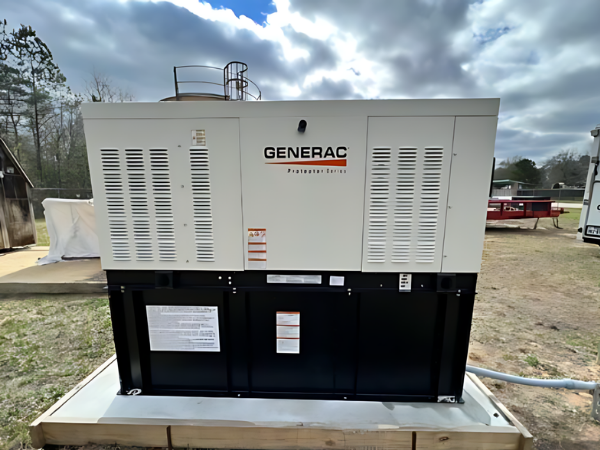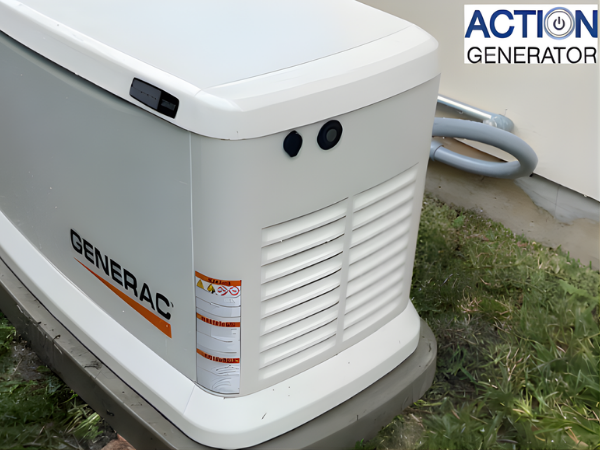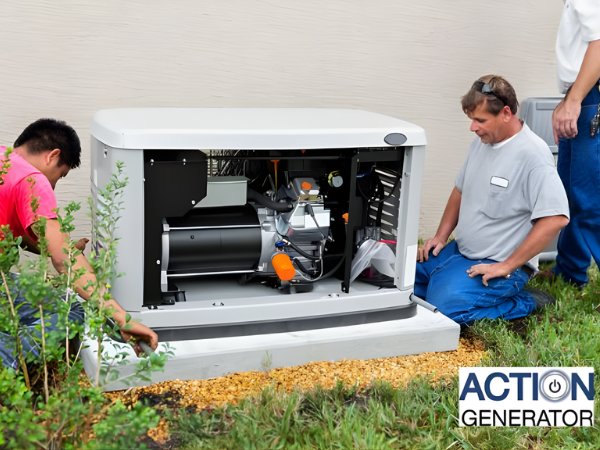
Generators play a crucial role in ensuring that power outages do not disrupt daily life or business operations. Whether you’re protecting your home, office, or industrial facility, routine generator maintenance is essential to keep your power supply reliable and efficient. In this article, we will delve into the key elements of generator maintenance, explaining why it matters, what it entails, and how you can ensure your equipment is always ready when you need it most.
Why Routine Generator Maintenance Matters
Generators are intricate pieces of machinery that require regular attention to operate at peak performance. Neglecting maintenance can lead to unexpected breakdowns, reduced efficiency, and costly repairs. Regular servicing helps:
- Ensure Reliability: A well-maintained generator is less likely to fail during a power outage.
- Extend Lifespan: Routine checks and timely repairs can significantly prolong the life of your generator.
- Improve Efficiency: Properly maintained generators consume less fuel and operate more efficiently.
- Enhance Safety: Regular inspections reduce the risk of dangerous malfunctions, such as fuel leaks or electrical issues.
- Comply with Regulations: For businesses, maintaining a generator often ensures compliance with local safety and environmental standards.
Key Components of Generator Maintenance
To keep your generator in top condition, it’s important to address all its critical components during routine maintenance. Here are the essential aspects of generator servicing:
1. Engine Checks
The engine is the heart of your generator. During maintenance, technicians typically inspect and service:
- Oil Levels and Quality: Ensuring the engine has clean and sufficient oil prevents overheating and wear. This is a key part of any generator service Houston package.
- Filters: Air and fuel filters should be clean and free of debris to maintain optimal performance. Many generator installers Houston recommend regular filter checks to prevent breakdowns.
- Cooling System: Radiators and coolant levels must be checked to prevent overheating, especially in Generac Houston units known for their reliability.
- Hoses and Belts: Inspecting for cracks, wear, or leaks ensures smooth engine operation.
2. Battery Health
A generator’s battery provides the power to start the engine. Maintenance tasks include:
- Testing battery voltage and charge, which is routinely done by experts in generator installation Houston.
- Cleaning terminals to prevent corrosion.
- Verifying the battery’s capacity to hold a charge.
3. Fuel System Maintenance
Fuel quality deteriorates over time, leading to clogged injectors and poor performance. Fuel system maintenance involves:
- Draining or replacing stale fuel, as often advised by Houston generator installation professionals.
- Cleaning fuel lines and tanks.
- Checking for leaks or contamination.
4. Electrical Components
Electrical issues can render your generator useless. Key maintenance steps include:
- Testing the alternator and voltage regulator.
- Inspecting wiring for wear or damage.
- Ensuring proper grounding and connections.
5. Exhaust System Inspection
Generators produce exhaust gases, which must be safely vented. Maintenance includes:
- Inspecting exhaust pipes for cracks or leaks.
- Ensuring that exhaust systems are clear of obstructions.
- Verifying compliance with emissions regulations.
6. Control Panel and System Monitoring
Modern generators often include advanced control panels and monitoring systems. Maintenance tasks involve:
- Verifying that all indicators and gauges are functioning correctly.
- Testing safety shutdown mechanisms.
- Updating firmware, if applicable.
7. Load Bank Testing
Running a generator under simulated load conditions ensures it can handle real-world demands. Load bank testing involves:
- Operating the generator at various load levels to verify performance.
- Identifying potential issues, such as overheating or output inconsistencies.

Benefits of Professional Generator Maintenance
While some basic maintenance tasks, like checking oil levels, can be performed by the generator owner, professional maintenance is indispensable. Certified technicians bring expertise and specialized tools to thoroughly inspect, diagnose, and service your equipment. Benefits include:
- Comprehensive Inspections: Professionals cover every component, including those that may be overlooked during DIY maintenance.
- Expert Repairs: If a problem is detected, certified technicians can resolve it promptly and effectively.
- Preventative Care: Regular servicing identifies and addresses minor issues before they escalate.
- Documentation: Maintenance records help track service history and ensure compliance with warranty requirements.
How Often Should Generators Be Maintained?
The frequency of generator maintenance service depends on several factors, including the generator’s size, type, and usage. For standby generators, an annual service is typically sufficient for light residential use, while commercial generator repair rule might require quarterly or even monthly checks. Refer to the manufacturer’s guidelines for specific recommendations and consult a professional service provider to establish a customized maintenance schedule.
DIY Maintenance Tips for Generator Owners
While professional maintenance is essential, there are steps you can take to keep your generator in good condition between service appointments:
- Run Your Generator Regularly: Periodic operation prevents parts from seizing and ensures readiness.
- Inspect for Visible Damage: Look for leaks, corrosion, or wear and address issues promptly.
- Keep it Clean: Remove dirt, dust, and debris from the generator’s exterior to prevent blockages or overheating.
- Store Fuel Properly: Use stabilizers to extend fuel shelf life and store it in a cool, dry place.
Real-Life Example
Sarah had been experiencing frequent overheating issues with her Generac generator during Houston’s hot summers. Despite regular use, she noticed the generator would shut down unexpectedly, especially during high-demand periods. After contacting us for a detailed inspection, we found that the air and fuel filters were clogged, restricting airflow and causing the engine to overheat. After replacing the filters and performing routine maintenance, Sarah’s generator ran efficiently even during the hottest days of the year, providing her peace of mind during power outages.
Trust Action Generator for Reliable Maintenance Services
At Action Generator, we understand the importance of keeping your power supply dependable and efficient. Our team specializes in comprehensive generator maintenance plan tailored to meet the needs of residential and commercial clients. With a commitment to quality and customer satisfaction, we ensure your generator performs flawlessly when you need it most. From routine maintenance to emergency repairs, we’ve got you covered.
Call to Action
Don’t let a simple issue like overheating compromise your generator’s performance. Schedule your annual generator inspection today to ensure that your Generac unit is running efficiently and without the risk of overheating. Whether it’s routine maintenance or emergency repairs, contact Action Generator today and keep your home generator maintenance rule or business powered smoothly, no matter the situation.
FAQ (Frequently Asked Questions)
- How often should I perform maintenance on my Generac generator?
- It’s recommended to perform maintenance at least once a year or after every 100-150 hours of operation. This includes changing the oil, replacing filters, and inspecting the system.
- What oil type should I use for my Generac generator?
- Always use the type of oil recommended in your generator’s manual. Generac typically recommends using 5W-30 or 10W-30 oil for most models, but it’s essential to check the specific manual for your unit.
- Can I prevent my generator from overheating during long power outages?
- Yes, by following best practices such as giving the generator regular breaks, keeping the area around it well-ventilated, and checking oil levels regularly, you can minimize the risk of overheating.
- What should I do if my generator overheats?
- If your generator overheats, immediately turn it off to prevent further damage. Check for any obstructions in the vents or cooling system and ensure the oil levels are sufficient. If the issue persists, contact a professional for further inspection.
- Is it safe to run my generator during extreme heat?
- While Generac generators are designed to withstand various conditions, extreme heat can increase the risk of overheating. Ensure that the generator is well-ventilated, clean, and not being overworked in such conditions.