When the power goes out, having a reliable generator can be a lifesaver especially for homeowners and businesses that depend on consistent electricity. Generac Houston generators are a trusted brand known for their durability and reliability. However, like all machines, they can experience issues over time. Understanding the common causes of these failures especially fuel, battery, and electrical problems can help you avoid costly repairs and keep your system in top condition.
In this article, we’ll explore the most frequent causes of Generac problems, focusing on fuel-related issues, battery malfunctions, and electrical failures. We’ll also discuss how regular maintenance can help prevent these issues and why working with a professional technician is crucial for keeping your generator running smoothly in Houston.
Understanding Generac Generators
Generac generators are designed to provide reliable backup power when your main electricity supply is interrupted. Whether you have a whole-house system or a portable unit, these generators help maintain essential operations in your home or business. But, like all machines, they rely on several key components to run smoothly.
Common problems can arise in fuel, battery, and electrical systems. Regular maintenance and awareness of these potential issues will help extend the life of your generator and reduce the likelihood of costly repairs. Let’s take a closer look at these three main areas and how they impact the functionality of the best Generac generator service Houston.
Fuel-Related Issues
Fuel-related problems are one of the most common reasons for Generac generator repairs. To ensure your generator continues to run smoothly, it’s essential to maintain a clean and consistent fuel supply. Below are the most common fuel-related issues and how to prevent them.
1. Old or Stale Fuel
Fuel left sitting in the tank for extended periods can go stale, especially if it’s not used regularly. Over time, gasoline breaks down and forms a sticky substance that clogs the fuel system. This can lead to poor performance, such as stalling or failure to start.
Prevention Tip: Always use fresh fuel, and if your generator sits idle for a long time, empty the tank and refill it with fresh fuel before use.
2. Clogged Fuel Filter
The fuel filter plays a vital role in preventing dirt and debris from entering the engine. If the filter becomes clogged, the fuel flow is restricted, leading to poor performance or complete failure to start.
Prevention Tip: Regularly check and replace the fuel filter as part of your routine maintenance.
3. Fuel Line Issues
Fuel lines can become clogged, cracked, or corroded over time, preventing fuel from reaching the engine correctly. Damaged fuel lines must be replaced promptly to avoid further complications.
Prevention Tip: Ensure that your generator installer uses high-quality fuel lines, and inspect them periodically for signs of wear.
4. Incorrect Fuel Type
Using the wrong type of fuel such as gasoline instead of natural gas or propane can damage the engine and may void your warranty.
Prevention Tip: Always refer to your Generac generator’s manual to ensure you’re using the correct fuel type. If you’re unsure, consult a Houston-based generator installation Houston expert.
How to Prevent Fuel Issues
To prevent fuel-related issues, always use fresh fuel and store your generator in a dry, cool place. If your generator has been unused for an extended period, it’s a good idea to empty the tank and refill it with fresh fuel. Regularly checking and replacing the fuel filter will help ensure a clean fuel supply.
Battery Problems
The battery is another common cause of Generac generator repairs. If the battery is weak or dead, your generator will fail to start, leaving you without backup power when you need it the most.
1. Battery Failure
Like all batteries, the battery in your generator will eventually lose its ability to hold a charge. A dead or weakened battery is one of the most common reasons why a generator fails to start.
Prevention Tip: Regularly check your generator’s battery for signs of wear, and replace it when necessary.
2. Corroded Battery Terminals
Corrosion on the battery terminals can prevent the flow of electricity from the battery to the generator’s starter motor.
Prevention Tip: Inspect and clean the battery terminals regularly to avoid this issue.
3. Loose or Disconnected Battery Cables
Loose or disconnected battery cables can stop the generator from starting, leaving you powerless during an outage.
Prevention Tip: Check that the battery cables are securely connected and free of damage.
4. Generac Charging System Components Malfunction
The charging system in Generac generators is responsible for maintaining the battery charge. If components like the alternator or voltage regulator malfunction, the battery may not charge properly, which can lead to starting issues. Ensuring that the charging system is regularly inspected can prevent this issue from affecting your generator’s performance.
Prevention Tip: Have your generator’s charging system inspected periodically to ensure it’s working efficiently.
Electrical System Failures
The electrical system is the heart of your Generac generator, and any malfunction in this system can cause the generator to stop producing power.
1. Worn Out or Faulty Wiring
Wiring inside the generator can wear out, become damaged, or corrode, which can lead to power loss or electrical shorts.
Prevention Tip: Regularly inspect the wiring for wear or damage and replace it when necessary.
2. Overloaded Generator
Running the generator at or beyond its capacity can overload the electrical system, causing overheating and damage to key components like wiring and circuit breakers.
Prevention Tip: Always make sure your generator is properly sized for your power needs, and avoid overloading it.
3. Faulty Circuit Breakers
Circuit breakers are designed to protect the generator’s electrical components from overloads or short circuits. If these breakers fail to trip during an overload, your generator may experience significant damage.
Prevention Tip: Test the circuit breakers regularly and replace any faulty ones promptly.
4. Control Panel Issues
The control panel is essential for monitoring the generator’s status and operational health. A malfunctioning control panel can prevent the generator from starting or running properly.
Prevention Tip: Ensure the control panel is regularly tested, and have any malfunctions addressed immediately by a professional technician.
Why Regular Maintenance is Key
Regular maintenance is the best way to prevent the most common causes of Generac generator repairs. A well-maintained generator will run more efficiently, last longer, and be less prone to unexpected breakdowns.
Local Example: Fixing Generac Generator Problems in Houston
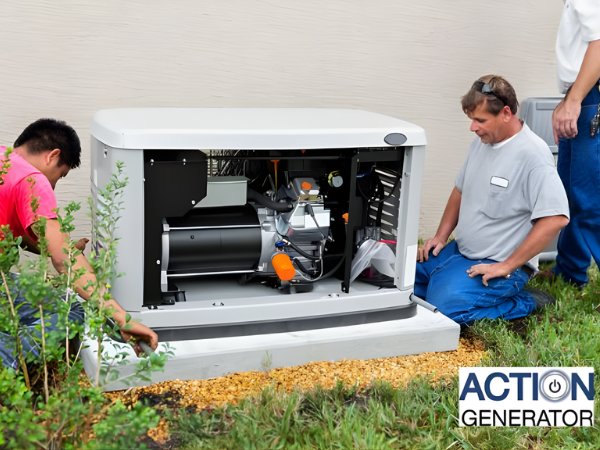
Recently, we assisted a homeowner on Oak Street in Houston who was dealing with inconsistent power from their Generac generator. After a thorough inspection, we found that the battery charging system had malfunctioned, preventing the battery from holding a charge. We replaced the faulty components and performed a full service on the fuel system to ensure the generator was ready for the next power outage. Our team was able to resolve the issue quickly, ensuring their family would have reliable backup power when they needed it.
Preventative Maintenance Checklist
- Change the oil and air filters regularly
- Inspect and clean the fuel system
- Test the battery and clean the terminals
- Check the electrical connections and wiring
- Run the generator periodically to keep it in working order
Understanding the most common causes of Generac generator repairs—fuel issues, battery problems, and electrical failures can help you prevent costly breakdowns and keep your generator in top condition. By staying on top of maintenance and addressing minor issues before they escalate, you can ensure your generator is always ready to provide reliable power when needed. If you’re experiencing issues with your Generac generator, don’t hesitate to contact Action Generator to diagnose and resolve the problem promptly.
Why Regular Maintenance Is Essential
Staying on top of routine maintenance and addressing small issues before they escalate can save you money in the long run. Regular service will ensure that your generator performs reliably, helping you avoid the most common causes of breakdowns, including fuel, battery, and electrical problems.
Call to Action
Is your Generac generator showing signs of wear? Don’t wait until you’re left in the dark. Contact Action Generator in Houston today to schedule a comprehensive inspection or repair. Our team of certified technicians is here to ensure your generator is ready to perform when you need it most.
Frequently Asked Questions (FAQs)
1. What is the most common problem with Generac generators?
The most common problems with Generac generators include fuel-related issues, battery malfunctions, and electrical system failures. Fuel issues like stale fuel or clogged filters are frequent, as are problems with the battery, such as corrosion or poor charging. Electrical issues, such as faulty wiring or overloaded circuits, can also lead to generator failure.
2. How can I prevent fuel problems in my Generac generator?
To prevent fuel problems, always use fresh fuel and store your generator in a dry, cool place. If you don’t use your generator regularly, drain the fuel tank and refill it with fresh fuel before use. Also, check and replace the fuel filter regularly to ensure the fuel system is clean and free of debris.
3. How long does the battery in my Generac generator last?
The battery in a Generac generator typically lasts between 3 to 5 years, depending on usage and maintenance. Regular inspections and ensuring the battery is kept clean and charged can help prolong its life. If you notice that your generator is struggling to start, it may be time to replace the battery.
4. Can I repair my Generac generator myself?
While some minor maintenance tasks, such as cleaning battery terminals or changing the fuel filter, can be done by homeowners, it’s always best to have a professional technician handle repairs and more complex issues, like electrical system failures or charging system malfunctions. DIY repairs may void the warranty and can lead to further damage if not done properly.
5. How often should I perform maintenance on my Generac generator?
Regular maintenance is key to extending the life of your Generac generator. It’s recommended to perform a comprehensive check-up every 6 to 12 months, depending on usage. This includes changing the oil, replacing air and fuel filters, checking the battery, inspecting wiring, and running the generator to ensure it operates correctly.