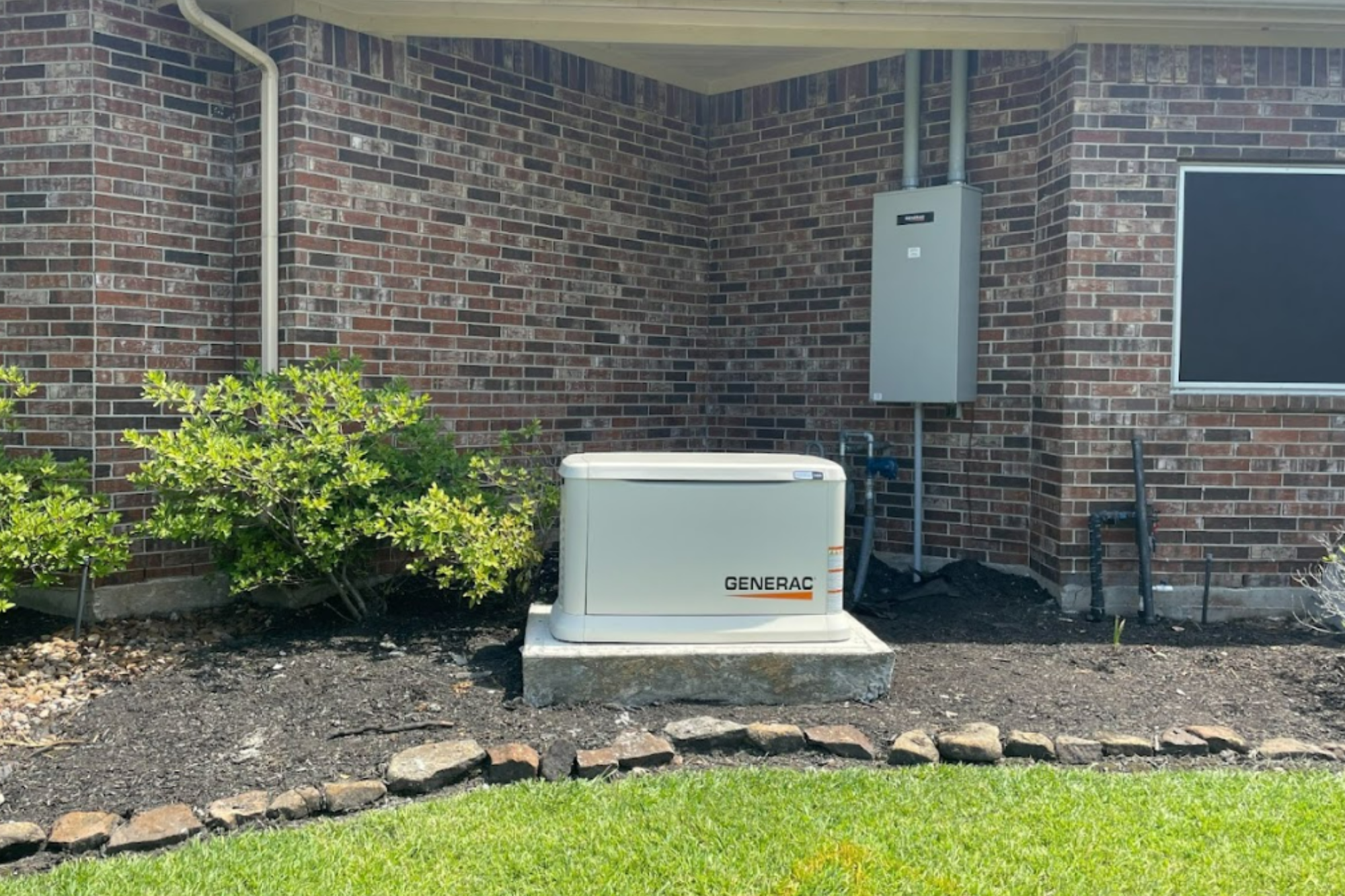
Generators are critical for keeping your home or business powered during an outage, especially when you rely on them as a backup energy source. However, like any other mechanical system, a generator can face problems, with overheating being one of the most common. Overheating can lead to costly repairs, unexpected downtimes, and even permanent damage if not addressed promptly.
In this article, we’ll explore the best practices for preventing your Generac generator from overheating, ensuring it operates efficiently and lasts longer. Additionally, we’ll discuss what to do if your generator starts overheating and how to fix the issue before it causes major damage.
Understanding the causes of overheating is essential for preventing it. Common causes include:
- Overuse: Running a generator for extended periods without breaks.
- Inadequate Ventilation: Blocked vents and airflow issues lead to heat buildup.
- Dirty Filters: Clogged air and fuel filters restrict airflow, causing overheating.
- Low Oil Levels: Oil plays a critical role in keeping the engine cool, and low oil levels can lead to overheating.
- Faulty Cooling System: A malfunctioning cooling system can prevent the engine from reaching the proper temperature.
By addressing these factors, you can help keep your generator cool and ensure it operates efficiently.
Best Practices to Keep Your Generac Generator Cool
1. Regular Maintenance to Prevent Overheating
One of the most effective ways to keep your generator cool is to perform regular maintenance. Here’s how you can do it:
- Change the Oil: Follow the manufacturer’s schedule for oil changes to ensure proper lubrication and cooling.
- Replace Filters: Regularly replace the air and fuel filters to maintain optimal airflow.
- Check and Clean the Spark Plug: A worn spark plug can make the engine work harder, generating unnecessary heat.
Pro Tip: We had a client on Pinehurst Drive in Spring, TX, who regularly faced overheating issues due to clogged filters. After replacing the filters, the generator stayed cool, even during the hottest summer months.
2. Ensure Proper Ventilation
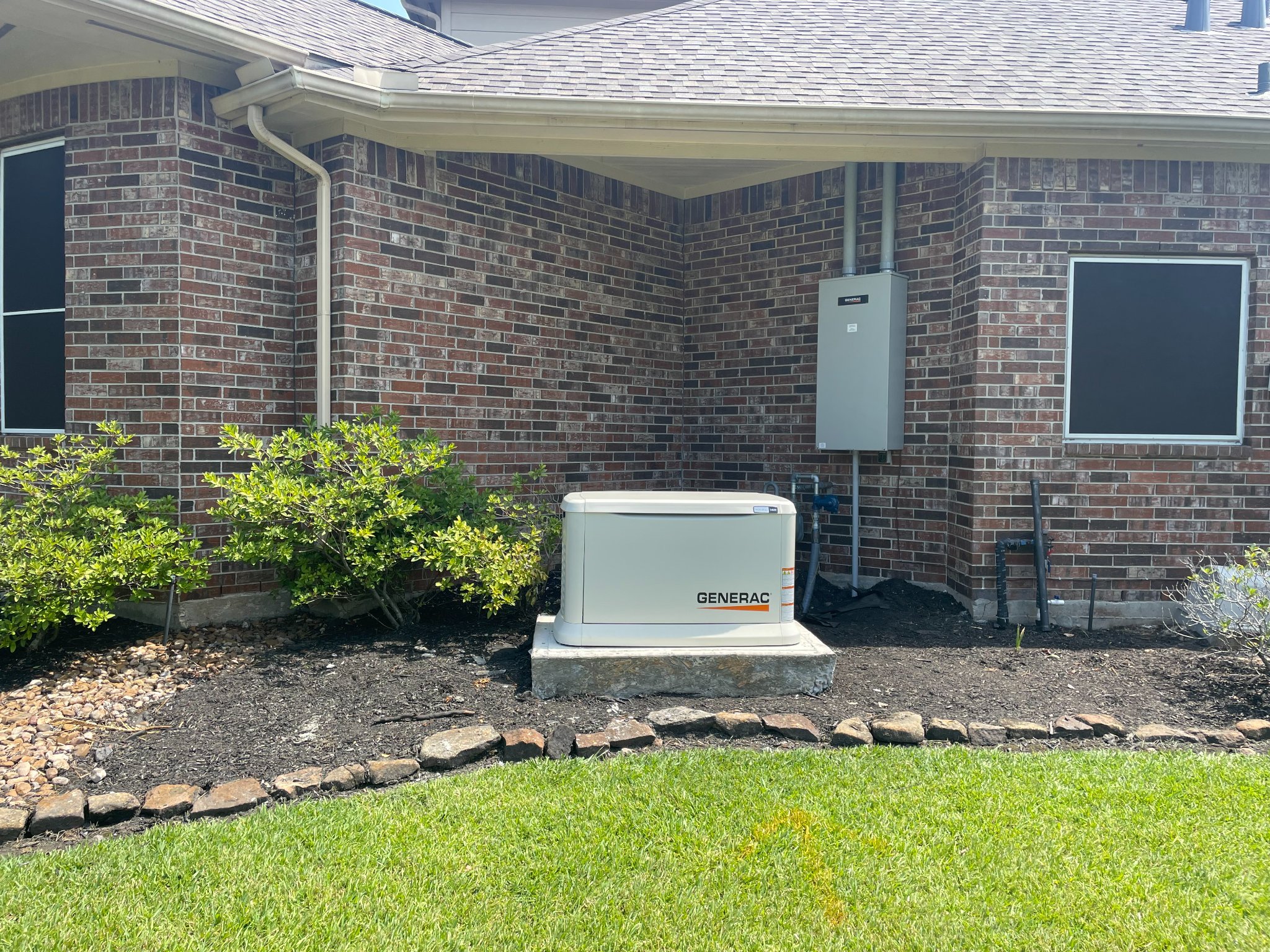
Generators need proper airflow to operate efficiently. If the airflow is obstructed, the generator will overheat. Here’s how to keep your generator cool:
- Clear Obstructions: Make sure there are no leaves, dirt, or debris blocking the vents.
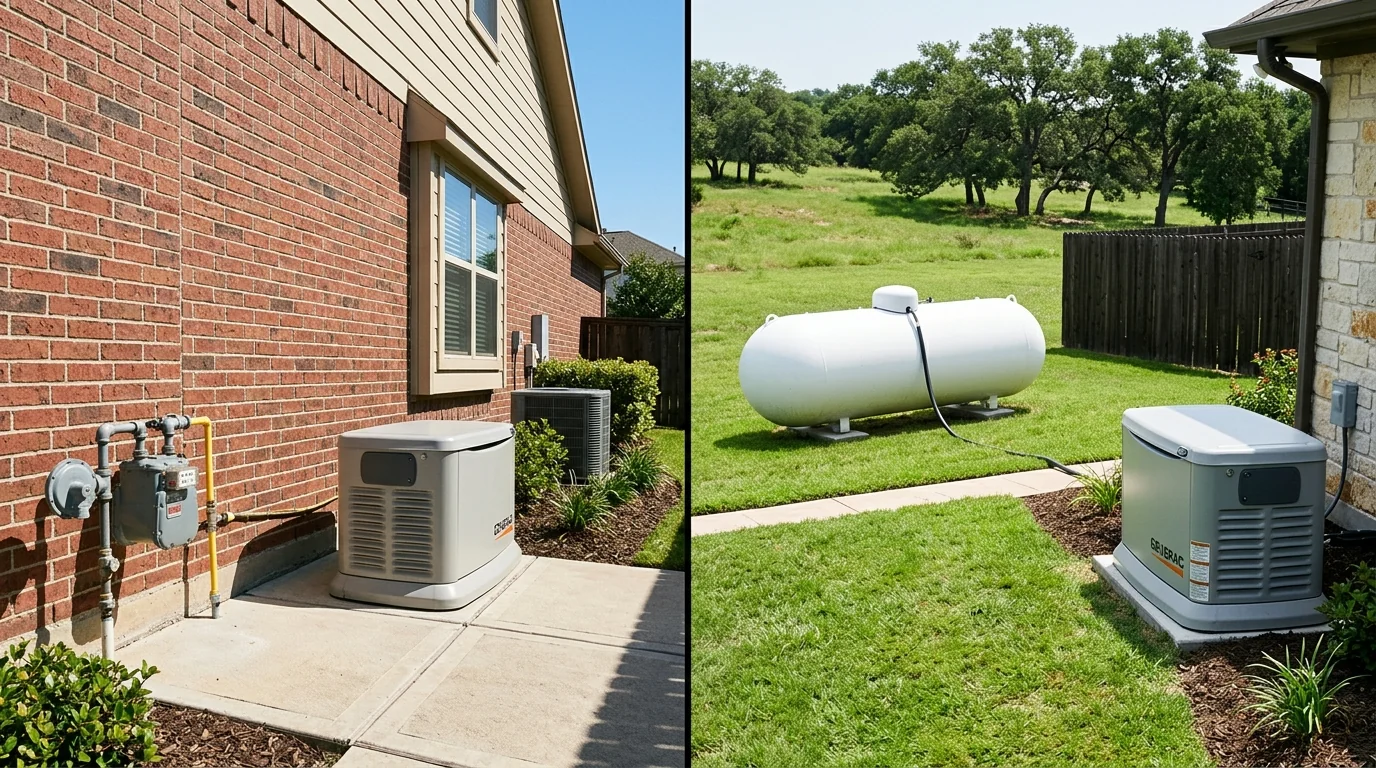
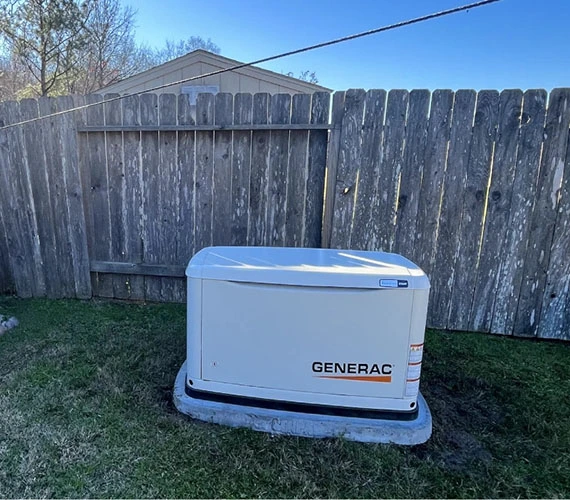
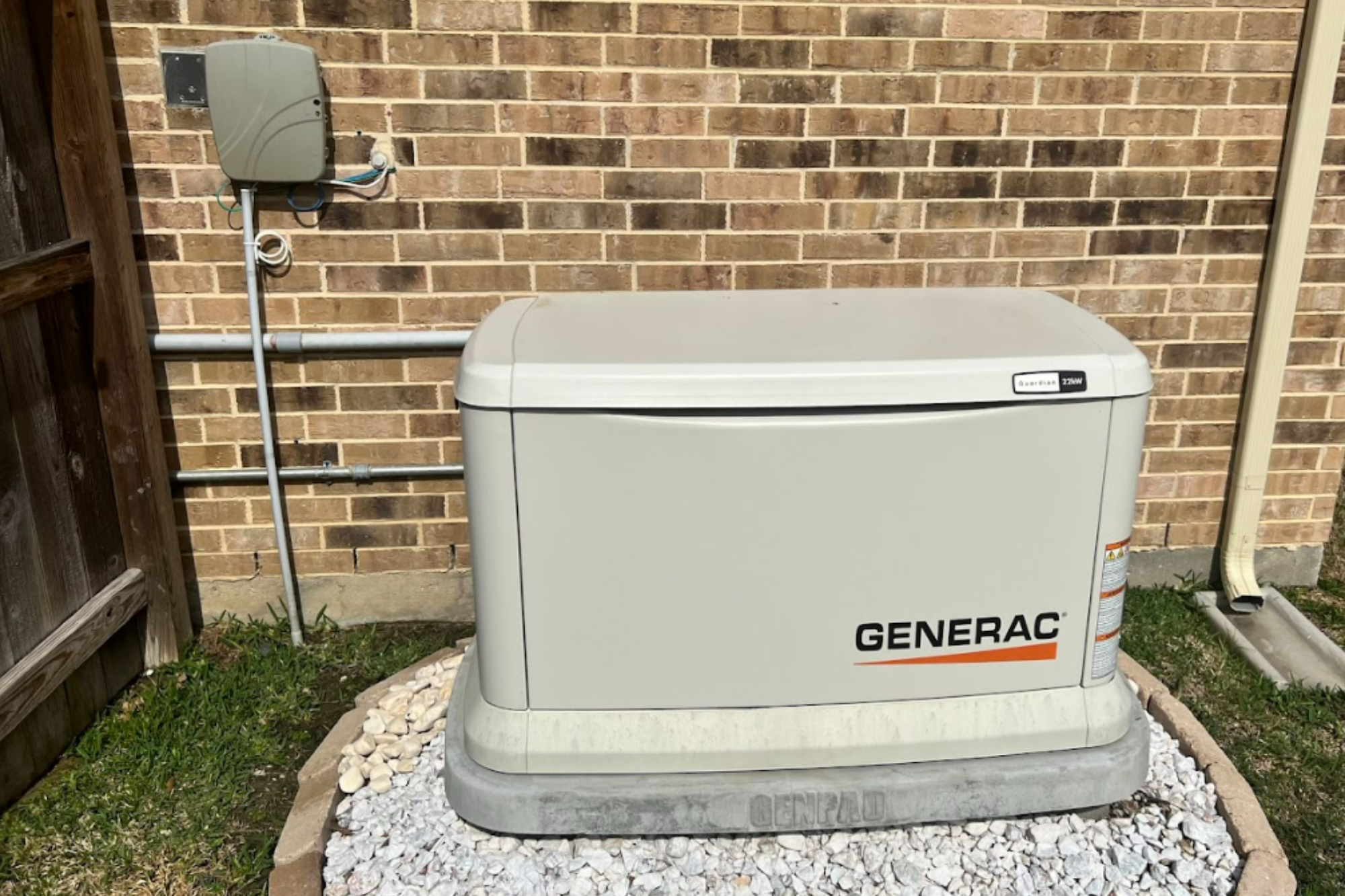
- Elevate the Generator: Installing the generator on a raised platform can help improve airflow and reduce the risk of overheating.
Can a Generator Overheat in the Sun?
Yes, prolonged exposure to the sun can significantly increase a generator’s internal temperature. The heat can cause the engine to work harder, leading to potential overheating. To prevent this, always place your generator in a shaded area, or consider using a cover designed to protect it from the sun.
3. Monitor Oil Levels
Oil plays a critical role in keeping the engine cool by reducing friction. Low oil levels can cause overheating, so it’s important to check oil levels regularly. Here’s how to keep the oil at optimal levels:
- Check Oil Regularly: Ensure the oil is at the right level, especially before long periods of operation.
- Use the Right Oil: Follow the manufacturer’s guidelines on the type of oil to use.
4. Clean the Generator Regularly
A dirty generator can struggle with heat dissipation, leading to overheating. Cleaning your generator helps to prevent this:
- Wipe the Exterior: Remove dirt, dust, and debris from the surface.
- Inspect and Clean Internal Components: Make sure the internal components, like filters and vents, are free from dirt and blockages.
5. Understand How Long a Generator Needs to Cool Down
After running for extended periods, a generator needs time to cool down before being used again. How long does a generator need to cool down?
It’s recommended to let the generator cool for at least 15-20 minutes, depending on its size and the operating conditions. Allowing the engine to cool ensures that it doesn’t overheat when restarted and helps maintain its efficiency.
6. Use Your Generator Within Its Capacity
Overloading your generator can increase the chances of overheating. Always check the generator’s power rating and avoid exceeding its capacity. If your power needs have increased, consider upgrading to a larger unit to ensure your generator can handle the load without risk of overheating.
What to Do If Your Generator Overheats
If your generator starts overheating despite following the above steps, it’s important to act quickly. Here’s how you can address the issue:
- Shut Down the Generator: Immediately turn off the generator to prevent further damage.
- Check for Obstructions: Inspect vents, cooling fins, and filters for dirt or blockages.
- Examine Oil Levels: Ensure the oil is at the proper level and top it off if necessary.
- Consult a Professional: If you cannot identify or fix the issue, it’s time to call a professional generator repair Spring TX service. For example, our team in Houston is experienced in diagnosing and fixing generator overheating problems.
If you’re unsure about the cause of the overheating or if the issue persists, schedule a professional generator maintenance in Spring TX identify the root cause and implement a generator overheating fix. A technician will be able to provide a thorough inspection, checking for faulty wiring, a failing cooling system, or worn-out engine components.
The Role of Professional Inspection
While regular maintenance can prevent most overheating issues, sometimes your generator may require professional attention. A licensed technician can:
- Inspect wiring and connections for any faults.
- Check the cooling system for potential failures.
- Identify any worn-out parts that might be causing overheating.
It’s important to have your generator professionally inspected at least once a year to prevent issues that could lead to downtime or costly repairs.
Final Thoughts
Preventing a Generac generator from overheating is crucial to maintaining its efficiency and longevity. By following these best practices, such as regular maintenance, ensuring proper ventilation, checking oil levels, cleaning your generator, and monitoring performance, you can significantly reduce the risk of overheating and keep your generator running smoothly.
If you’re facing overheating issues despite following these tips, don’t hesitate to contact a professional generator repair service for a generator overheating fix. Our team specializes in diagnosing and fixing overheating problems, ensuring your generator performs optimally when you need it most.
About Action Generator
At Action Generator, we specialize in providing reliable Spring generator repair service, maintenance, and repair services. Whether you need routine upkeep to avoid overheating or require emergency repairs, our team of experts is ready to assist you. Contact us today to schedule an inspection or repair.
Ready to Keep Your Generator Running Cool?
Don’t let overheating cause costly repairs or downtime! Schedule a professional inspection today to ensure your Generac generator operates smoothly all year round. Contact us today to book your inspection or repair service and ensure your generator is ready to power your home or business when you need it most!
Frequently Asked Questions:
1. How do I know if my generator is overheating?
You can tell if your generator is overheating if it produces unusual smells, emits smoke, or shuts off unexpectedly. Additionally, if the temperature gauge reads higher than usual or the engine feels excessively hot, it could indicate overheating. If you notice any of these signs, it’s important to turn off the generator immediately and inspect it for potential issues.
2. Can I fix an overheating generator myself?
Minor issues such as checking oil levels, cleaning filters, and removing obstructions around vents can be addressed by the owner. However, if the generator continues to overheat despite these efforts, or if you suspect a more serious problem like a malfunctioning cooling system, it’s best to consult a professional technician for repairs to avoid causing further damage.
3. How can I keep a generator cool during extreme heat in Spring, TX?
To keep your generator cool in hot weather, make sure it’s placed in a shaded area, elevated off the ground to prevent debris buildup, and ensure that the vents and cooling system are free of obstructions. Regular maintenance, such as changing the oil and cleaning the filters, will also help keep your generator running cool.
4. What happens if I continue using my generator when it’s overheating?
If you continue to run your generator while it’s overheating, it can lead to severe engine damage, such as melted components or seized parts. This can result in costly repairs or even complete failure of the generator. Always turn off the generator immediately if it shows signs of overheating and have it inspected.
5. How often should I schedule generator maintenance in Spring, TX?
To keep your generator in top condition and avoid overheating, it’s recommended to schedule maintenance at least once a year. However, if you use your generator frequently or during extreme weather conditions, more frequent maintenance may be necessary. Regular checks ensure that potential issues are identified early and addressed before they lead to major problems.